The Future of Sustainable Flooring in Commercial Buildings

James Wilson
Research Director, Datainfo
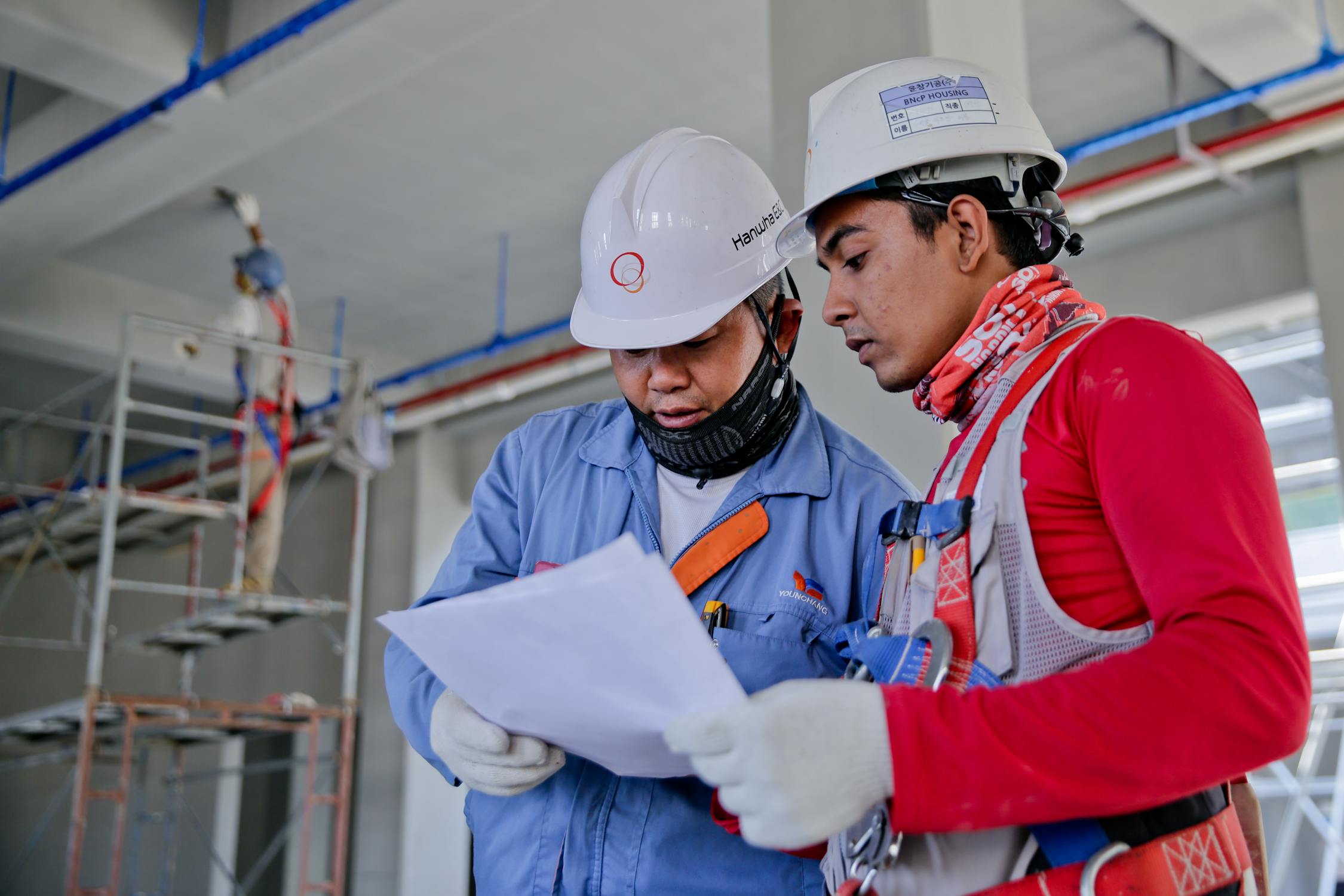
As environmental consciousness becomes increasingly important in the construction industries y, sustainable flooring options are taking center stage in commercial building design and renovations.
The Growing Demand for Sustainable Flooring
Our latest research indicates that the market for sustainable flooring in commercial buildings has grown by 27% over the past three years, and this trend shows no signs of slowing down. This growth is driven by a combination of factors: regulatory pressures, corporate ESG commitments, tenant preferences, and long-term cost benefits.
Government regulations around carbon emissions and building performance are becoming stricter across the UK and Europe. The EU's Green Deal and the UK's path to net zero by 2050 have established frameworks that encourage or mandate sustainable building practices, including flooring choices. Simultaneously, organizations are increasingly adopting robust ESG (Environmental, Social, and Governance) frameworks, with 72% of surveyed businesses reporting that sustainable building materials, including flooring, are a key component of their environmental strategy.
Key Materials Leading the Charge
Our analysis identified several sustainable flooring options that are gaining traction in the commercial sector:
- Bio-based LVT: Traditional luxury vinyl tile has been reimagined with bio-based plasticizers and recycled content, reducing its environmental footprint while maintaining its durability and aesthetic appeal.
- Carpet Tiles with Recycled Content: Leading manufacturers now offer carpet tiles with up to 80% recycled content, including reclaimed fishing nets and plastic bottles, along with take-back programs for end-of-life recycling.
- Cork and Bamboo: These rapidly renewable resources offer natural warmth, acoustical benefits, and inherent antimicrobial properties, making them increasingly popular in office environments.
- Rubber Flooring: Made from recycled tires and natural rubber, these floors offer exceptional durability and are particularly suitable for high-traffic areas.
Research Highlight
Our survey of 150 commercial property developers revealed that 68% are now specifying sustainable flooring options in new construction projects, compared to just 41% in 2020.
Performance and Cost Considerations
While sustainable flooring options generally command a premium over conventional alternatives, this gap is narrowing. More importantly, our lifecycle cost analysis demonstrates that when factoring in durability, maintenance requirements, and potential energy savings (particularly for materials with better thermal properties), many sustainable options offer a lower total cost of ownership over a 15-year period.
Performance testing has also improved significantly. Modern sustainable flooring materials now match or exceed their conventional counterparts in durability, stain resistance, and aesthetic options. This evolution has eliminated one of the primary historical barriers to adoption.
Certification and Transparency
Environmental Product Declarations (EPDs) and certifications like Cradle to Cradle, BREEAM, and FloorScore have become critical tools for specifiers. Our research found that 83% of architects and interior designers now request these credentials when selecting flooring materials. This push for transparency has driven manufacturers to improve both their products and their production processes.
Outlook and Recommendations
Based on current trends and our market analysis, we project that sustainable flooring materials will account for more than 60% of the commercial flooring market by 2030. This transition presents significant opportunities for manufacturers who invest in innovation, transparency, and closed-loop systems.
For building owners and facility managers, we recommend:
- Evaluating flooring options based on full lifecycle costs rather than just installation expenses
- Prioritizing products with third-party environmental certifications
- Considering acoustic and thermal properties alongside sustainability metrics
- Implementing end-of-life reclamation plans for flooring materials during the specification phase
The future of commercial flooring is undoubtedly sustainable, driven by a combination of regulatory pressures, market demand, and improved product performance. Organizations that embrace this shift early will not only reduce their environmental impact but potentially realize significant long-term cost benefits as well.
Related Posts

Comments (3)

Michael Roberts
• April 16, 2024Great article! We've been seeing increased client interest in sustainable flooring options, particularly in the commercial office sector. The point about lifecycle costs is especially important - many clients initially balk at the higher upfront costs but come around when they see the long-term benefits.

Sarah Johnson
• April 16, 2024I'd be interested to know how these sustainable materials perform in healthcare settings where infection control is paramount. Has there been any specific research on this aspect?

David Martinez
• April 17, 2024The certification landscape can be confusing for specifiers. It would be helpful to have a follow-up article that breaks down the different certifications in more detail and provides guidance on which ones address which environmental concerns.
Leave a Comment
About the Author
James Wilson
Research Director, Datainfo
James has over 15 years of experience in market research for the construction industries y. He specializes in sustainability trends and material innovations.
Recent Posts

Categories
Popular Tags
Subscribe
Stay updated with our latest industries y insights and research findings.